Unlike parks that stay open year-round, Ranthambore’s core safari zones close completely from 1st July through 30th September, reopening on 1st October. If you’re planning a trip anywhere near these months, it’s worth understanding exactly what that means.
Why the Park Closes
Monsoon in Rajasthan typically runs June through September, though rainfall is often lighter and less predictable than in wetter parts of India. The closure isn’t primarily about rain making tracks impassable — it coincides with the breeding season for much of the park’s wildlife, and the forest department restricts vehicle movement through the core zones to reduce disturbance during this sensitive period. The break also lets the forest tracks and grasslands recover from nine months of continuous safari traffic.
What’s Actually Open During Monsoon
The core tiger zones (1–10) are closed to safari vehicles for this entire window. Some buffer zone areas around the periphery of the reserve may run limited experiences in parts of the season, and Ranthambore Fort itself remains open to visitors independently of the safari zones, since it doesn’t require a forest permit. A Chambal River boat safari, which operates outside the core tiger zone, can also be a monsoon-season alternative in some years — worth checking current status when you enquire.
If Your Trip Falls in This Window
Honestly: if a tiger safari is your main goal, avoid booking travel to Ranthambore between July and September — there is no way around the core zone closure, regardless of which operator you book through. If you’re already travelling through Rajasthan for other reasons during this period, the fort and the town are still worth a stop, but set expectations accordingly.
We’d rather tell you honestly that your dates fall in the closed season than take a booking we can’t fulfil. If your travel window is flexible even by a couple of weeks either side, we’ll help you find the closest open dates.
Best Time to Book Right After Reopening
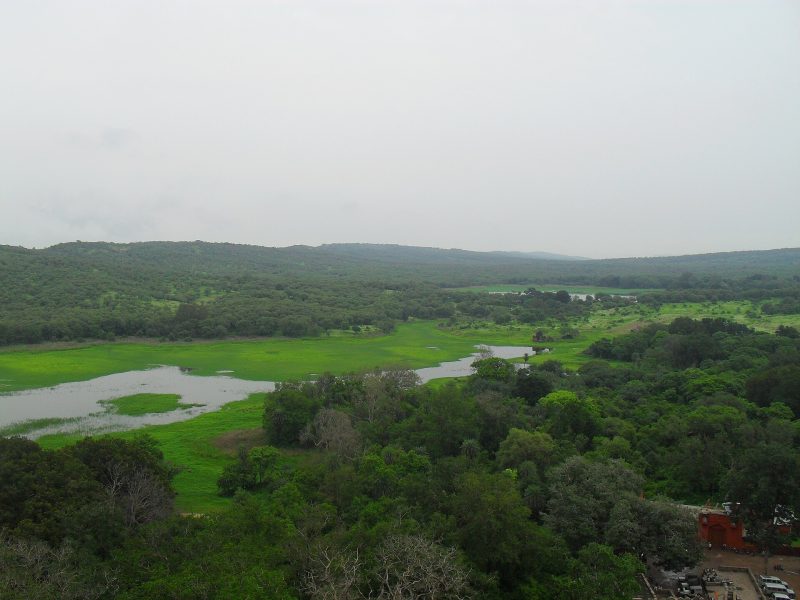
The first weeks of October see the park reopen with lush post-monsoon greenery — beautiful for photography, though tall grass can make sightings slightly harder than the drier months that follow. It’s a lovely, less crowded time to visit if you don’t mind marginally lower sighting odds.