Ranthambore National Park opens on 1st October and stays open until 30th June, closing for the monsoon from July to September so the forest can recover. Within that nine-month window, though, the park changes character almost every few weeks — and so do your odds of a good sighting.
October to November: The Park Wakes Up
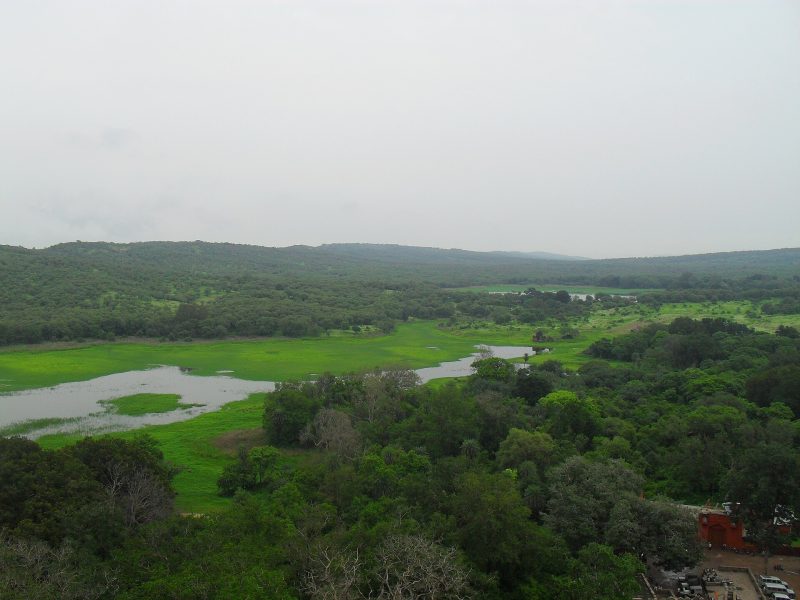
This is the first stretch after the monsoon closure. The forest is still lush and green, water bodies are full, and grass cover is tall — which means tigers have plenty of places to hide. Sightings pick up gradually as the month goes on and the undergrowth starts to thin. Weather is pleasant, mornings are cool, and it’s a lovely time for birdwatching alongside the tiger safari.
December to January: Cold Mornings, Clearer Views
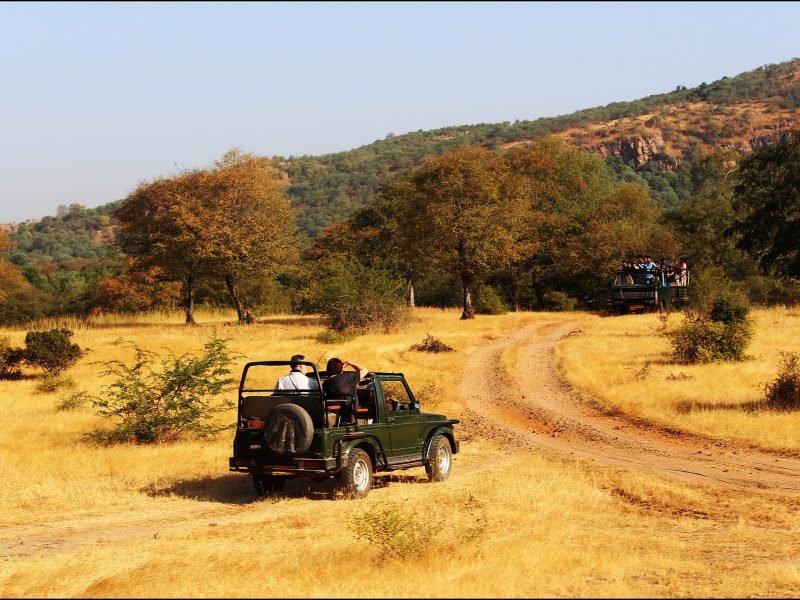
Winter in Ranthambore means chilly mornings — often close to single digits Celsius before sunrise — so warm layers are essential for the open Gypsy. The upside is that tigers tend to move around more during the warmer daylight hours to bask in the sun, and with less foliage than the monsoon months, visibility through the forest improves.
February to April: Prime Sighting Season
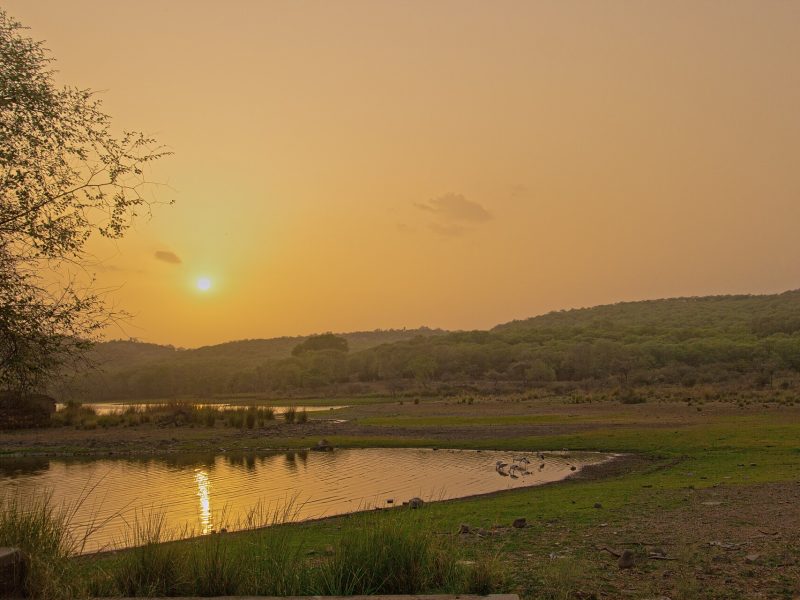
Most safari operators, ourselves included, will tell you this is the sweet spot. As temperatures climb, water sources start drying up across the park, and tigers are forced to stay closer to the remaining lakes and waterholes — places like Padam Talab, Malik Talab and Raj Bagh. That predictability is exactly what makes sightings more frequent through March and April.
May to June: Hot, Dry, and Excellent for Sightings
Temperatures can cross 45°C by late May, which is genuinely tough for a midday safari — but this is when sighting probability is at its highest. With most natural water sources dried up, tigers gather at the handful of remaining waterholes, sometimes right along the safari tracks. If you can handle the heat, this period rewards patient travellers.
Our own booking data shows April and May have the highest confirmed-sighting rate of the season, though October and February are far more comfortable for families and older travellers.
Quick Recommendation by Traveller Type
- First-time visitors / families: October–February — pleasant weather, good all-round experience.
- Serious tiger photographers: March–May — harsher weather, but the best odds.
- Birdwatchers: November–February — migratory species are present alongside residents.
- Budget travellers: October and June (shoulder season) often have easier permit availability.
A Note on Safari Timings
Morning and evening safari slots shift with sunrise and sunset through the season — a 6:30 AM start in October becomes a 6:00 AM start by May. We share exact current timings when you enquire, since the forest department revises them monthly.